
01

Banff in June

Book Banff

Book Banff National Park Adventures and Attractions. Banff National Park's towering peaks and beautiful meadows make it among Canada's most incredible holiday areas. Plan your Canadian Rockies vacation and Book Banff's most popular attractions.

Book Banff National Park Book Banff
Banff National Park Wildlife

02

Banff National Park

Columbia Icefield Tour & Glacier Skywalk

Columbia Icefield Tour including the Glacier Skywalk from Icefield Glacier Discovery Centre. Discover the awe-inspiring mountain scenery and massive glaciers of Alberta's Rocky Mountain region on this Columbia Icefields tour.
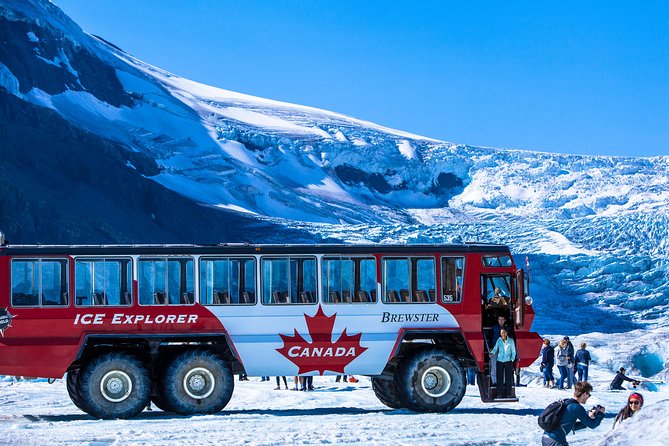
Jasper Columbia Icefield Tour & Glacier Skywalk
Book Glacier Skywalk and Athabasca Glacier Tour Jasper Columbia Icefield Home
Jasper Wildlife Tour Videos

03

Banff in June

Banff Gondola Ride Admission

The Popular Banff Gondola provides visitors with an amazing scenic ride to the summit of Sulphur Mountain, offering panoramic views of the Canadian Rockies and the Bow Valley.
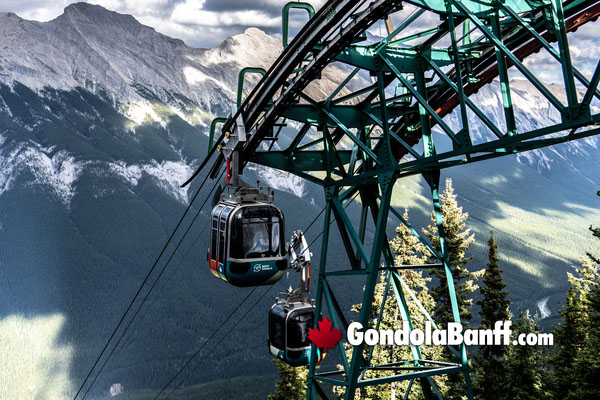
Banff Gondola at Sulphur Mountain
*Purchasing Gondola Tickets in Advance is Recommended. Book the Banff Gondola Banff Gondola Home
Banff National Park Wildlife

Canadian Rockies Summer Wildlife Tour - Banff in June

Learn of the steps taken in Canada's National Parks that ensure wildlife survival in the park, and gain insight into Banff's rich ecology, history and geology. This is a must for wildlife and nature lovers.


Canadian Rockies Summer Wildlife Tour - Banff in June

Book Banff's Wildlife Tour

June in Banff National Park

June marks the beginning of true summer in Banff. Snow has largely retreated from the valley floor, alpine trails begin opening progressively through the month. A great time to witness the changing Banff landscapes and enjoy a variety of outdoor adventures.


Things to Do in Banff During June

June marks the beginning of true summer in Banff. Snow has largely retreated from the valley floor, alpine trails begin opening progressively through the month, and daylight stretches late into the evening. Rivers run high with snowmelt, waterfalls are at peak volume, and wildflowers start appearing in lower meadows. While visitor numbers increase compared to spring, early June still offers a more relaxed pace than July and August.

Banff Hiking & Alpine Trails in June

June is prime hiking season at lower and mid elevations. Valley-bottom trails such as Tunnel Mountain and Fenland Trail are typically dry and accessible, while higher alpine routes open gradually depending on snowpack.

Popular June options include hikes toward Lake Agnes, the Plain of Six Glaciers, and Sunshine Meadows (often opening later in the month). Conditions can vary significantly at higher elevations, so checking trail reports is advisable. Early season hikers may encounter snow patches, particularly in shaded areas.

Wildlife activity remains high in June. Elk are commonly seen around town, and bears are active in forested areas. Carrying bear spray and practicing proper trail etiquette is essential.

Banff Lakes & Canoeing During June

Iconic lakes begin transitioning fully into their summer appearance.

Lake Louise often completes its ice melt in early to mid-June, revealing its characteristic turquoise color as glacial flour enters the water. Canoe rentals typically operate once the lake is ice-free.

Lake Minnewanka is fully thawed and ideal for boat cruises, kayaking, and shoreline walks. Early morning and late evening provide the calmest water and best lighting conditions.

Scenic Banff Gondola & June Mountain Views

A ride on the Banff Gondola up Sulphur Mountain offers panoramic views across the Bow Valley. In June, snow remains on distant peaks while greenery fills the valley below, creating strong visual contrast. The boardwalk to Sanson's Peak is typically clear, and longer daylight hours allow for extended summit exploration.

Banff Scenic Drives & Waterfalls in June

June is an excellent time for driving the Icefields Parkway. Snowmelt feeds waterfalls at maximum intensity, and roadside viewpoints are generally accessible. Wildlife sightings-including mountain goats and bighorn sheep-are common along this corridor.
Within town, Bow Falls is especially powerful in June due to runoff, making it a worthwhile short walk for dramatic water views.

June Cycling & Outdoor Recreation in Banff

The Banff Legacy Trail connecting Banff and Canmore is fully operational in June and ideal for recreational cycling. Paved riverside pathways around town provide scenic, low-effort options. Mountain biking trails at lower elevations are typically dry by mid-month, though alpine trails may open later.
June also marks the start of guided rafting trips on the Bow River, offering a moderate adventure experience with glacial-fed flows.

Banff Hot Springs & Relaxation During June

The Banff Upper Hot Springs remains a year-round attraction. In June, soaking in the mineral pool offers a relaxing complement to hiking or sightseeing, particularly during cooler evenings.

Banff's June Events, Dining & Atmosphere

With long daylight hours-often extending past 10 p.m.-June encourages evening strolls along Banff Avenue and patio dining. Restaurants and tour operators are fully operational, and seasonal programming increases throughout the month. The overall atmosphere shifts toward peak summer energy, though without the full congestion of July.

Practical Considerations

Weather remains variable; layering is recommended.
Higher elevation trails may still hold snow early in the month.
Reservations for accommodations and popular activities become increasingly important.
Wildlife safety remains a priority during this active season.

June in Banff offers a dynamic early-summer experience: accessible trails, vibrant lakes, powerful waterfalls, and extended daylight-ideal for visitors seeking a balanced blend of activity and mountain scenery before peak season arrives.

Banff Gondola During June

June combines the freshness of spring with the accessibility and energy of summer. The Banff Gondola during this month delivers sweeping mountain views, cool alpine air, active wildlife, and long scenic days that capture the Canadian Rockies at one of their most visually stunning times of year.
Banff Gondola During June

Banff Gondola During June

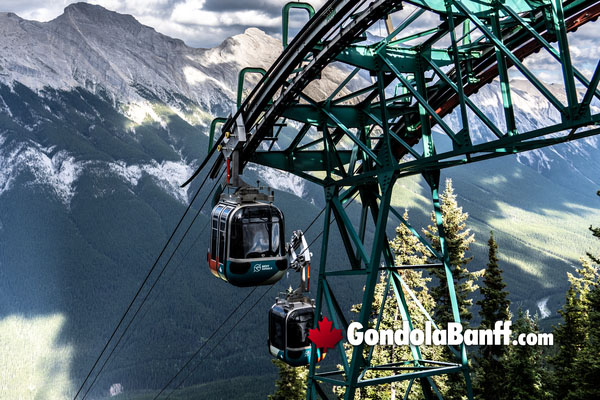
The Banff Gondola during June feels like the beginning of true alpine summer in the Canadian Rockies. Snow still crowns many of the higher peaks, but the valleys below burst with deep green forests, flowing rivers, and fresh mountain life. The contrast between lingering snowfields and vibrant summer landscapes creates some of the most beautiful scenery of the year. June offers a balance that many visitors love — warm enough for comfortable sightseeing, yet still cool and crisp at elevation.

The ride up Sulphur Mountain becomes increasingly dramatic as the gondola cabins rise above the treeline. Views quickly open across the Bow Valley, revealing Banff townsite nestled among towering mountains like Mount Rundle and Cascade Mountain. Early June often still carries traces of spring runoff, making rivers and waterfalls appear powerful and bright turquoise from above. As sunlight stretches longer into the evening, the mountain scenery takes on rich golden tones late in the day.

At the summit, the atmosphere feels lively and energetic. Outdoor observation decks, patios, and walkways become busy with visitors enjoying the fresh mountain air and panoramic scenery. June’s longer daylight hours allow guests to spend more time exploring the summit without feeling rushed. The crisp alpine breeze remains refreshing even on warmer days in town below.

The Sulphur Mountain boardwalk is one of the highlights during June. Walking toward Sanson’s Peak gives visitors uninterrupted mountain panoramas in nearly every direction. Some lingering snow patches may still remain beside parts of the trail early in the month, adding a rugged alpine feel without making the walk difficult. The surrounding peaks often appear layered endlessly into the distance under bright blue skies.

Wildlife activity increases significantly throughout June. The forests around Banff become active with elk, deer, bighorn sheep, and occasionally bears emerging into greener feeding areas after winter. Visitors sometimes spot wildlife along the road approaching the gondola base or from elevated viewpoints while riding upward. The valley below feels very alive during this time of year.

June weather on Sulphur Mountain can change quickly. Sunny mornings may shift into rolling clouds or short mountain rain showers by afternoon. Even when Banff townsite feels warm, the summit is noticeably cooler because of the elevation. Layered clothing is still important, especially during mornings and evenings when temperatures can feel surprisingly brisk.

Dining at the summit becomes especially enjoyable during June. Large windows and outdoor patios allow guests to take in mountain scenery while enjoying meals high above the valley floor. Evening dining experiences can feel particularly memorable as sunset light slowly moves across the surrounding peaks and forests.

June is also when the Banff Gondola begins entering its busy summer rhythm. Midday periods often bring larger crowds, especially on weekends and holidays. Early mornings and later evenings tend to provide quieter rides, softer lighting, and a calmer overall atmosphere.

June combines the freshness of spring with the accessibility and energy of summer. The Banff Gondola during this month delivers sweeping mountain views, cool alpine air, active wildlife, and long scenic days that capture the Canadian Rockies at one of their most visually stunning times of year. Banff Gondola

Jasper Columbia Icefields in June

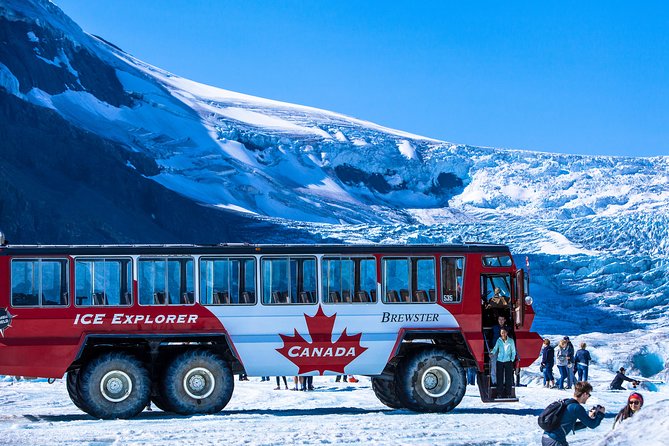
June at the Columbia Icefield delivers towering glaciers, icy mountain air, dramatic snow-covered scenery, active wildlife, and constantly changing alpine weather.
Jasper Columbia Icefields in June

Jasper Columbia Icefields in June

The Columbia Icefield during June is a dramatic meeting point between lingering winter and the arrival of alpine summer. Located high along the Icefields Parkway between Banff and Jasper, the area still feels wild, cold, and immense even as lower elevations throughout the Rockies begin turning green. Massive glaciers dominate the landscape, while snow-covered peaks stretch across the horizon in nearly every direction.

June is one of the most visually striking times to visit because of the strong contrast between seasons. Valleys and forests lower along the highway begin showing fresh greenery, but the Columbia Icefield itself remains heavily surrounded by snow and ice. The Athabasca Glacier still appears enormous and bright white during much of the month, especially after fresh mountain snowfall or cool overnight temperatures.

Driving into the Icefields area in June feels increasingly dramatic as the highway climbs into higher elevation terrain. Snowbanks can still line portions of the roadside early in the month, and the surrounding mountains often appear rugged and wintry despite the calendar approaching summer. The atmosphere becomes quieter, colder, and more alpine than many other parts of the Rockies.

Temperatures at the Columbia Icefield remain quite cool during June. Even sunny afternoons can feel chilly because of the elevation, glacier winds, and open mountain exposure. Wind moving across the icefields often creates an icy bite in the air that surprises many visitors. Jackets, warm layers, and proper footwear are still very important during this time of year.

The Athabasca Glacier itself becomes one of the main highlights during June. The glacier surface appears bright, textured, and active with meltwater streams beginning to form across sections of the ice. Snow-covered peaks surrounding the glacier add scale to the experience, making the landscape feel enormous and ancient. The glacier’s blue ice features are often more noticeable during periods of melting and changing light.

June weather can shift rapidly throughout the day. Visitors may experience sunshine, low clouds, snowfall on surrounding peaks, rain, or strong winds all within a single afternoon. These changing conditions add to the raw mountain atmosphere that defines the Columbia Icefield experience.

Wildlife activity also increases throughout June along the Icefields Parkway leading into the glacier region. Mountain goats, bighorn sheep, elk, bears, and marmots are commonly seen near roadside slopes and alpine meadows as snow begins retreating from lower elevations.

Tourism activity grows steadily during June as summer travel season begins. The Icefields area becomes busier later in the month, especially during midday hours, though the vast scale of the surrounding mountains still gives the region an expansive and untamed feeling. Early mornings often provide calmer conditions, clearer mountain reflections, and more dramatic lighting on the glaciers.

One of the most remarkable aspects of the Columbia Icefield in June is the sense of scale and isolation. The glaciers, towering peaks, exposed rock faces, and broad snowfields create an environment that feels far removed from towns and civilization. Even during summer, the area maintains a harsh alpine character that reminds visitors they are standing within one of the largest accumulations of ice south of the Arctic Circle.

June at the Columbia Icefield delivers towering glaciers, icy mountain air, dramatic snow-covered scenery, active wildlife, and constantly changing alpine weather. It is one of the Canadian Rockies’ most powerful and unforgettable high-mountain environments. Jasper Columbia Icefields

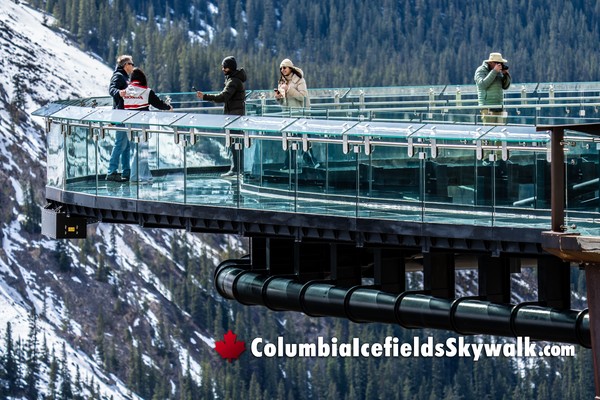
Columbia Icefields Glacier Skywalk During June

The Skywalk during June delivers a colder, quieter, and more rugged experience compared to the height of summer. The surrounding environment still feels heavily influenced by winter, with glaciers, snowfields, and alpine weather shaping the atmosphere.
Columbia Icefields Glacier Skywalk During June

Columbia Icefields Glacier Skywalk During June

The Columbia Icefield Skywalk during June offers a dramatic high-altitude experience surrounded by lingering snow, icy mountain peaks, and powerful spring runoff flowing through the deep valley below. Perched along the cliffs above the Sunwapta Valley, the Skywalk feels especially wild and rugged during this transitional season when winter still holds much of the upper Rockies.

Approaching the Skywalk in June often means driving through stretches of snow-lined roadway along the Icefields Parkway. The surrounding scenery remains heavily alpine, with many peaks still fully snow-covered and glaciers visible in the distance. The atmosphere can shift quickly between bright sunshine, drifting clouds, light snowfall, or icy winds, giving the area an authentic mountain feel that changes hour by hour.

Walking the interpretive pathway toward the glass platform reveals sweeping views into the valley thousands of feet below. During June, the landscape combines winter textures with the first signs of spring runoff. Snow June still rest along sections of the trail edges and nearby slopes, while rivers and waterfalls below begin surging with icy meltwater from surrounding glaciers and mountains. The contrast between frozen peaks and flowing water creates a striking seasonal balance unique to spring in the Rockies.

Stepping onto the curved glass platform can feel especially intense during June because visibility is often exceptionally sharp in the cool mountain air. Looking straight down through the transparent floor reveals steep cliffs descending into the rugged valley beneath. Beyond the platform, layers of mountain ridges stretch into the distance with snowfields and glaciers still dominating the horizon. On clear days, the depth and openness of the landscape become one of the most memorable aspects of the experience.

Temperatures at the Skywalk in June are typically cold compared to lower elevations. Strong winds can move through the valley corridor and across the exposed platform, making the environment feel significantly cooler than nearby towns. Visitors frequently wear winter jackets, gloves, or layered clothing, especially during mornings or cloudy conditions. Even under sunny skies, the high-elevation air carries a crisp chill from the nearby icefields.

The interpretive stations along the walkway feel particularly immersive during spring because the surrounding environment remains active and untamed. Avalanche slopes, exposed rock walls, glacial valleys, and thawing alpine terrain help illustrate the immense geological forces that shaped the region. Wildlife June occasionally appear on distant slopes or valley floors as animals begin moving through thawing mountain corridors.

Photography at the Columbia Icefield Skywalk during June can be especially rewarding because of the dramatic seasonal contrasts. Bright snow against dark cliffs, turquoise hints in glacial rivers, low clouds moving through valleys, and powerful sunlight reflecting off icy terrain all contribute to a highly dynamic mountain landscape. Conditions can change rapidly, meaning the scenery June look completely different within the span of an hour.

The Skywalk during June delivers a colder, quieter, and more rugged experience compared to the height of summer. The surrounding environment still feels heavily influenced by winter, with glaciers, snowfields, and alpine weather shaping the atmosphere. For many visitors, June offers one of the most dramatic times to experience the scale and raw mountain beauty of the Canadian Rockies from high above the valley floor. Columbia Icefields Glacier Skywalk

Golden Skybridge in June

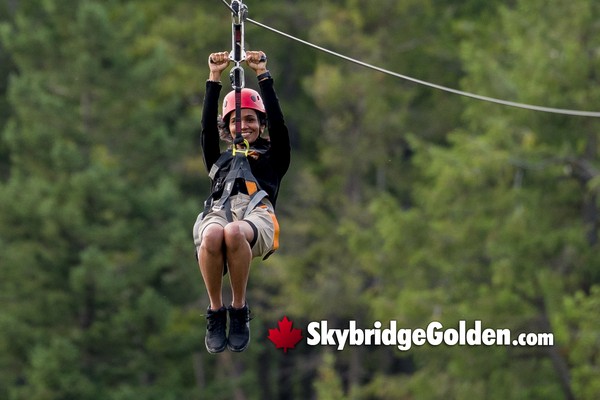
The Golden Skybridge during June combines mountain adventure, dramatic canyon views, roaring waterfalls, fresh forest scenery, and early summer energy. It feels adventurous, scenic, and highly immersive — offering one of the most visually exciting outdoor experiences in the Canadian Rockies region.
Golden Skybridge in June

Golden Skybridge in June

The Golden Skybridge during June feels energetic, vibrant, and fully alive with early summer activity in the Columbia Valley. Surrounded by rugged mountain scenery and dense forest, the attraction transforms into a lush outdoor adventure environment as warmer weather returns to the Rockies. June combines comfortable daytime temperatures with green landscapes, flowing waterfalls, and long daylight hours that make the entire experience feel expansive and active.

The suspension bridges themselves become especially impressive during June. As visitors step out across the canyon, they are surrounded by steep forested cliffs, rushing water far below, and panoramic mountain views in nearly every direction. Snow still lingers on some distant peaks while the valley floor below becomes intensely green from spring growth and runoff. The combination of alpine scenery and dramatic elevation creates a powerful sense of openness and height.

The canyon beneath the bridges is often particularly dramatic in June because snowmelt increases water flow through the waterfalls and streams below. The roar of rushing water echoes upward through the canyon, adding movement and energy to the environment. Mist from the waterfalls sometimes rises through the trees, especially during cooler mornings.

June weather at the Golden Skybridge is generally mild and comfortable, though mountain conditions can still change quickly. Sunny afternoons are common, but occasional rain showers or cooler breezes moving through the canyon can arrive unexpectedly. The fresh mountain air and surrounding forest create a refreshing atmosphere even on warmer days.

The surrounding adventure park becomes much more active during June. Forest pathways, viewing areas, swings, zipline-style attractions, and scenic rest areas all feel fully integrated into the early summer environment. The attraction shifts away from spring quietness into a more lively summer destination filled with visitors exploring the canyon and mountain scenery.

Photography conditions are especially strong during June. Morning sunlight filtering through the trees and evening golden light across the canyon create dramatic visual contrasts. The bridges themselves stand out sharply against the surrounding mountains and forests, making nearly every angle feel scenic and immersive.

Wildlife activity around the Columbia Valley also increases during June. Birds become highly active throughout the forest canopy, while deer and other mountain wildlife are more commonly seen in nearby natural areas. The forests surrounding the attraction feel rich, fresh, and alive after the long winter season.

June also offers long daylight hours, allowing visitors to spend more time exploring without rushing. Evening visits can feel especially peaceful as softer sunlight moves across the mountains and the canyon becomes quieter later in the day.

As summer tourism ramps up, the Golden Skybridge becomes busier throughout June, particularly on weekends and holiday periods. Midday often brings the largest crowds, while mornings and later evenings tend to provide a calmer experience with cooler temperatures and softer lighting.

The Golden Skybridge during June combines mountain adventure, dramatic canyon views, roaring waterfalls, fresh forest scenery, and early summer energy. It feels adventurous, scenic, and highly immersive — offering one of the most visually exciting outdoor experiences in the Canadian Rockies region. Golden Skybridge

Banff Lake Minnewanka Boat Cruise in June

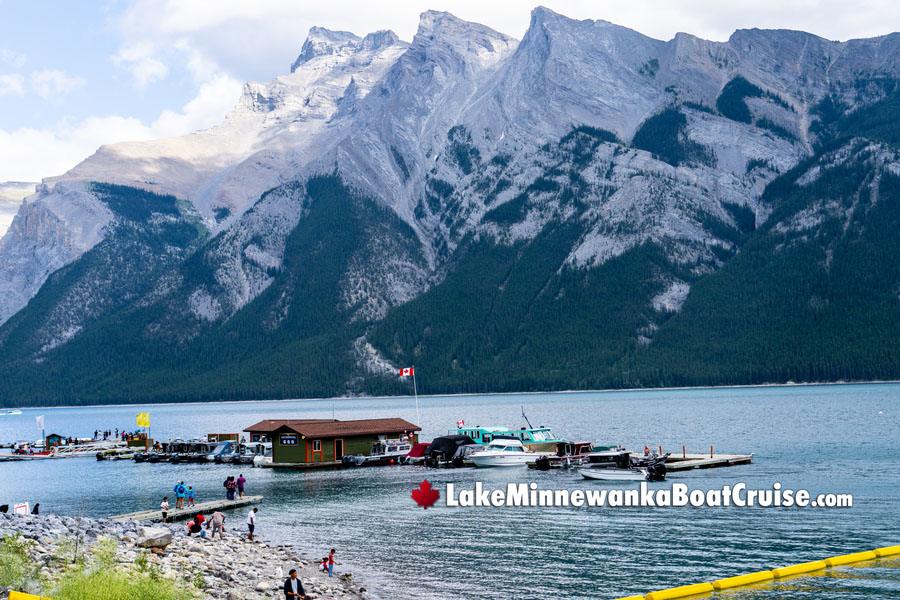
The Lake Minnewanka Boat Cruise during June delivers cool alpine air, glacier-fed blue water, snowy mountain scenery, active wildlife, and long scenic days. It captures the feeling of early summer in the Rockies while still preserving the raw mountain beauty left behind by spring.
Lake Minnewanka Boat Cruise in June

Banff Lake Minnewanka Boat Cruise in June

The Lake Minnewanka Boat Cruise during June offers one of the most refreshing and scenic experiences in Banff National Park. As summer begins taking hold in the Rockies, the lake awakens with deep blue water, greener shorelines, longer daylight hours, and surrounding mountain scenery that still carries traces of snow at higher elevations. June creates a beautiful seasonal contrast between lingering alpine winter and the arrival of warm-weather exploration.

The lake itself becomes especially striking during June. Snowmelt from surrounding peaks feeds the water system, helping create the vivid blue and turquoise tones Lake Minnewanka is known for. The surrounding forests become lush and green while distant mountain ridges often remain streaked with snow. The result is a landscape that feels both fresh and dramatic.

Boarding the cruise in June often comes with cool mountain breezes moving across the water. Even on warm afternoons in Banff townsite, temperatures at the lake can feel noticeably cooler because of the wind and open alpine environment. The fresh air, combined with the scent of pine forest and glacial water, gives the cruise a crisp and invigorating atmosphere.

As the boat moves away from the shoreline, the scale of Lake Minnewanka becomes more apparent. The lake stretches deep into the mountains, surrounded by rugged cliffs, forested slopes, and towering peaks that reflect off the water during calmer conditions. June mornings can sometimes provide especially smooth water surfaces that mirror the surrounding scenery beautifully.

Wildlife activity around the lake increases significantly during June. Bighorn sheep, deer, elk, and occasionally bears are more active throughout the area as vegetation flourishes after winter. Bald eagles and other birds are also commonly seen soaring above the shoreline or perched along rocky outcrops.

The cruise experience in June feels very lively but not yet at the absolute peak of summer tourism. Early June can still feel relatively peaceful, while late June begins transitioning into the busier summer season. Midday departures tend to attract larger crowds, while morning and evening cruises often provide a quieter and more relaxing atmosphere.

The surrounding mountains remain one of the biggest highlights during June. Peaks rising above the lake often retain snowfields that contrast sharply against the darker forests below. The scenery changes constantly as the boat travels farther into the lake, revealing new angles of cliffs, valleys, and distant ridgelines.

June weather at Lake Minnewanka can also shift quickly. Bright sunshine may suddenly give way to clouds, wind, or short rain showers rolling through the valley. These changing conditions add a dynamic quality to the cruise, with lighting and mountain visibility changing throughout the trip.

The historical stories connected to Lake Minnewanka also add depth to the experience. The lake carries a strong sense of mystery and scale, especially knowing that remnants of a submerged resort village remain beneath the water after the lake was expanded decades ago. Combined with the towering wilderness scenery, the setting feels both natural and historic.

The Lake Minnewanka Boat Cruise during June delivers cool alpine air, glacier-fed blue water, snowy mountain scenery, active wildlife, and long scenic days. It captures the feeling of early summer in the Rockies while still preserving the raw mountain beauty left behind by spring. Banff Lake Minnewanka Boat Cruise

Jasper SkyTram in June

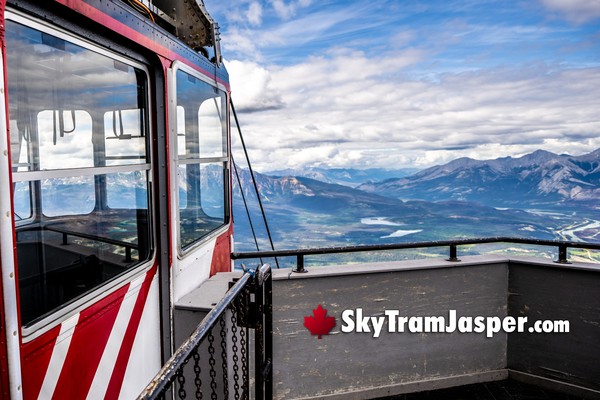
The Jasper SkyTram during June delivers soaring mountain views, cool alpine air, dramatic snow-capped scenery, awakening tundra landscapes, and an unforgettable sense of elevation above the Canadian Rockies. It feels adventurous, scenic, and deeply connected to the raw alpine environment surrounding Jasper National Park.
Jasper SkyTram Opens in June

Jasper SkyTram in June

The Jasper SkyTram during June offers one of the most expansive and exhilarating mountain experiences in the Canadian Rockies. Early summer transforms Whistlers Mountain into a landscape of fresh alpine greenery, melting snowfields, and wide-open panoramic views stretching far beyond the Jasper valley. June combines the energy of summer sightseeing with the rugged atmosphere of lingering alpine winter at higher elevations.

The ride upward becomes increasingly dramatic as the tram climbs above the forests surrounding Jasper townsite. Below, the Athabasca River winds through the valley while mountain ranges begin unfolding in every direction. June’s long daylight hours and clearer summer visibility often allow for enormous viewing distances across the surrounding peaks and valleys.

As the SkyTram rises higher, visitors quickly notice the changing alpine environment. Lower slopes begin turning green with summer growth, while upper elevations still hold snow patches and exposed rocky terrain. The contrast between forested valleys and snow-dusted summits gives June a uniquely beautiful appearance.

At the upper terminal, the atmosphere feels crisp, cool, and elevated far above the town below. Even during warm June afternoons in Jasper, temperatures near the summit remain noticeably colder because of the altitude and mountain winds. The fresh alpine air feels sharp and refreshing, especially when standing along viewing areas overlooking the valley.

The panoramic views during June are one of the season’s major highlights. Jasper townsite appears small beneath the surrounding mountain ranges, while peaks stretch endlessly across the horizon. Snow still clings to many higher ridges and shaded slopes, creating dramatic contrasts against the greener valleys below. Clear June days can provide exceptionally far-reaching visibility.

The alpine tundra surrounding the summit begins awakening during June as snow slowly retreats from higher terrain. Small hardy plants start emerging among the rocks, while exposed ridges and windswept slopes maintain a rugged mountain atmosphere. The environment above the treeline feels raw, open, and distinctly alpine.

The summit hiking trails become increasingly accessible throughout June. Some areas may still contain lingering snow early in the month, especially on shaded sections or higher elevations near the summit ridge. However, many visitors enjoy short walks beyond the upper terminal to experience the open mountain landscape and higher viewpoints overlooking Jasper National Park.

Wildlife activity also increases throughout June. Marmots, pikas, bighorn sheep, and various alpine birds become more active around the rocky slopes and tundra areas near the summit. The surrounding valleys below are also alive with elk, deer, and occasionally bears moving through greener feeding areas.

June weather at the Jasper SkyTram can change rapidly. Sunshine may quickly shift into cloud cover, wind, or brief mountain showers. Some mornings begin calm and clear before clouds gather around the peaks later in the day. These changing conditions give the mountain environment an unpredictable and adventurous character.

Tourism activity grows steadily during June as summer travel season begins in Jasper National Park. The SkyTram becomes more active later in the month, especially during midday hours. Morning rides often provide calmer conditions, cooler air, and exceptionally clear mountain visibility before afternoon cloud buildup develops.

The Jasper SkyTram during June delivers soaring mountain views, cool alpine air, dramatic snow-capped scenery, awakening tundra landscapes, and an unforgettable sense of elevation above the Canadian Rockies. It feels adventurous, scenic, and deeply connected to the raw alpine environment surrounding Jasper National Park. Jasper SkyTram

Maligne Lake Boat Cruise During June

The Maligne Lake Boat Cruise during June delivers glacier-fed blue water, snowy mountain scenery, cool alpine air, active wildlife, and unforgettable wilderness landscapes. It combines serenity and grandeur in a way that makes it one of the most iconic and memorable experiences in the Canadian Rockies.
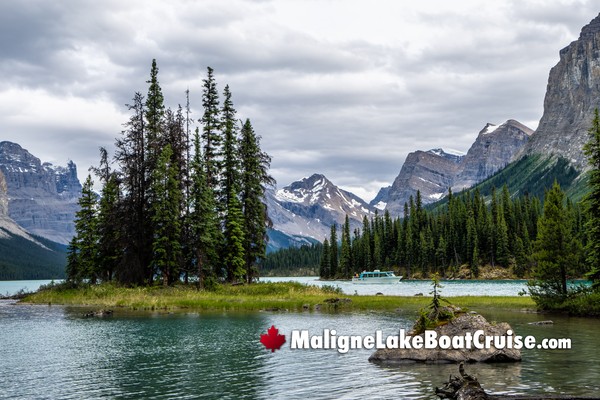
Maligne Lake Boat Cruise During June

Maligne Lake Boat Cruise During June

The Maligne Lake Boat Cruise during June is one of the most breathtaking early summer experiences in Jasper National Park. As the long winter season retreats from the high alpine environment, the lake transforms into a vivid landscape of deep blue water, snow-covered peaks, fresh green forests, and cool mountain air. June offers a remarkable balance between lingering alpine winter and the arrival of summer exploration.

Maligne Lake itself feels especially dramatic during June because many surrounding mountains still carry heavy snowpack while the shoreline forests begin flourishing with fresh growth. The contrast between white peaks, dark evergreen forests, and brilliant glacier-fed water creates some of the most iconic scenery in the Canadian Rockies. The lake often appears intensely blue or turquoise under June sunlight, especially during calmer mornings.

Boarding the cruise in June usually comes with crisp temperatures and refreshing mountain breezes sweeping across the water. Even on sunny days, the high elevation and open lake environment keep conditions noticeably cooler than lower valleys around Jasper townsite. Visitors often experience a mixture of warm sunshine and cool alpine air throughout the trip.

As the boat moves farther from the shoreline, the immense scale and isolation of Maligne Lake become more apparent. Steep mountain walls rise directly from the water while distant glaciers and snowfields dominate the horizon. The lake stretches deep into remote wilderness terrain, creating a peaceful and almost untouched atmosphere.

The cruise toward Spirit Island becomes especially memorable during June because the surrounding scenery still feels rugged and alpine. Snow-covered peaks often reflect across calmer sections of the water, while waterfalls and streams fed by snowmelt become more active throughout the surrounding mountainsides. The movement of water throughout the landscape adds energy and freshness to the entire experience.

Wildlife activity around Maligne Lake increases significantly during June. Bald eagles, loons, deer, elk, and occasionally bears become more active as summer conditions return to Jasper National Park. The surrounding forests and shoreline areas feel alive with birdsong and fresh mountain growth after the long winter season.

Spirit Island during June is especially photogenic. Surrounded by towering peaks and reflective water, the tiny island feels even more isolated and dramatic while snow still remains high above the lake basin. The setting captures the classic beauty of the Canadian Rockies — calm water, alpine forests, and towering glaciated mountains all in one scene.

June weather at Maligne Lake can change quickly. Bright sunshine may shift into cloud cover, rain showers, or cooler winds moving down from the surrounding mountains. Morning conditions are often calmer and clearer, while afternoons sometimes bring stronger breezes across the lake surface.

The boat cruise atmosphere in June feels lively but still slightly quieter than the height of summer in July and August. Early June especially can provide a more peaceful experience with fewer crowds and cooler conditions, while late June begins transitioning into Jasper’s busiest sightseeing season.

The long daylight hours of June also enhance the experience. Soft evening light across the peaks and forests creates beautiful reflections and rich mountain colors later in the day. Sunset lighting around Maligne Lake can feel especially calm and cinematic during early summer.

The Maligne Lake Boat Cruise during June delivers glacier-fed blue water, snowy mountain scenery, cool alpine air, active wildlife, and unforgettable wilderness landscapes. It combines serenity and grandeur in a way that makes it one of the most iconic and memorable experiences in the Canadian Rockies. Maligne Lake Boat Cruise

June at Abraham Lake

Abraham Lake during June delivers vivid glacial water, snowy mountain backdrops, strong wilderness character, active wildlife, and constantly changing alpine scenery. It feels powerful, untamed, and deeply connected to the raw natural beauty of Alberta’s Rockies.
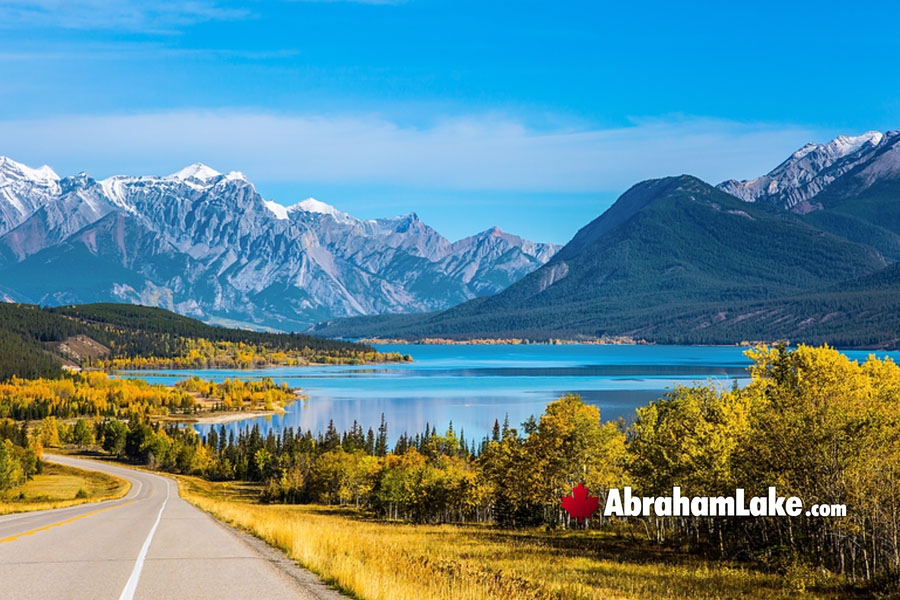
June at Abraham Lake

June at Abraham Lake

Abraham Lake during June feels wild, expansive, and dramatically transformed from its icy winter appearance. Early summer brings powerful snowmelt, vibrant turquoise water, greener valleys, and towering mountain scenery that still carries heavy snow on the surrounding peaks. The entire area feels raw and energetic as the Rockies transition fully into summer.

One of the first things visitors notice in June is the color of the lake. As glacial meltwater increases, Abraham Lake often develops intense shades of turquoise and blue that stand out sharply against the rugged mountains and dark evergreen forests. On sunny days, the water can appear almost luminous, especially when viewed from elevated roadside viewpoints along the David Thompson Highway.

The surrounding landscape feels much more alive compared to spring. Hillsides and valleys begin turning green while alpine peaks remain coated in snow. This seasonal contrast gives Abraham Lake a uniquely dramatic appearance during June. The combination of warm sunlight, snowy mountains, and vivid blue water creates some of the most striking scenery in Alberta.

June also brings stronger winds to the lake. Abraham Lake is well known for sudden gusts moving through the valleys, and these winds often create rolling waves and shifting textures across the water surface. Calm mornings can quickly transition into windy afternoons, adding movement and power to the already rugged landscape.

The nearby mountains remain one of the biggest highlights during June. Peaks surrounding the lake rise sharply above the shoreline, with snowfields and glaciers still visible at higher elevations. Clouds frequently move through the valleys and around the summits, constantly changing the mood and lighting across the area.

Roadside viewpoints and pull-offs become increasingly accessible and enjoyable during June as snow disappears from lower elevations. Visitors can stop along the highway to admire sweeping views of the lake, surrounding peaks, and open valleys stretching into the distance. The area feels less crowded and more untamed than many of the more developed national park destinations nearby.

Wildlife activity increases throughout June as animals return to greener feeding areas after winter. Bighorn sheep, deer, elk, and occasionally bears may be seen along the roadside or near forested slopes surrounding the lake. Bird activity also becomes much more noticeable around the shoreline and open valleys.

The atmosphere around Abraham Lake in June feels adventurous and remote. Unlike heavily developed tourist destinations, the lake retains a rugged wilderness character with fewer facilities and large stretches of open natural terrain. The changing weather, powerful winds, and enormous mountain scenery create a strong sense of isolation and freedom.

June weather can vary considerably throughout the day. Warm sunshine may suddenly give way to rain showers, cooler temperatures, or low clouds moving through the mountains. Even during pleasant weather, the wind across the lake can make conditions feel much cooler than expected.

Photography conditions during June are exceptional. Morning light often produces calm reflections and softer colors, while evening golden light illuminates the surrounding peaks and glacial water beautifully. Storm clouds rolling across the mountains can also create dramatic contrasts against the bright turquoise lake.

Abraham Lake during June delivers vivid glacial water, snowy mountain backdrops, strong wilderness character, active wildlife, and constantly changing alpine scenery. It feels powerful, untamed, and deeply connected to the raw natural beauty of Alberta’s Rockies. Abraham Lake

Athabasca Falls During June

Athabasca Falls during June delivers roaring glacier-fed water, dramatic canyon scenery, cool mist-filled air, vibrant forest landscapes, and one of the most powerful displays of natural force in Jasper National Park. It feels dynamic, immersive, and unforgettable during the height of early summer runoff.
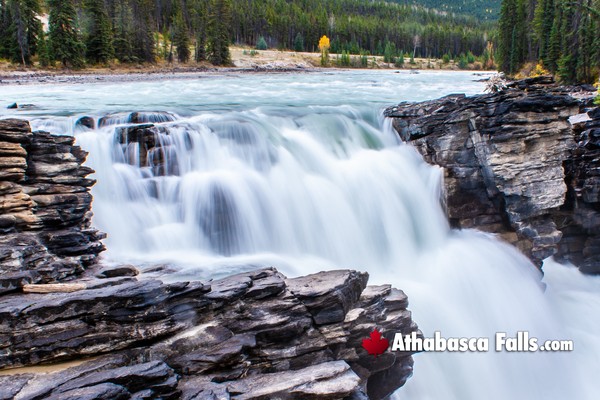
Athabasca Falls During June

Athabasca Falls During June

Athabasca Falls during June is one of the most powerful and dramatic waterfall experiences in the Canadian Rockies. Fueled by accelerating snowmelt from glaciers and mountain snowfields, the Athabasca River surges through the narrow canyon with tremendous force during early summer. The combination of roaring water, mist-filled air, and rugged rock formations creates an atmosphere that feels energetic and almost overwhelming in scale.

June is one of the strongest flow periods of the year for the falls. As temperatures rise across Jasper National Park, runoff from surrounding glaciers and alpine snowpack rapidly increases the volume of water pouring through the canyon. The falls appear thunderous and fast-moving, with massive amounts of glacial water crashing into the carved limestone gorge below.

The sound at Athabasca Falls during June becomes one of the defining parts of the experience. The roar of the river echoes throughout the canyon and surrounding forest, often becoming louder as visitors approach the viewing platforms. Mist rises continuously from the churning water, especially during warmer afternoons when sunlight catches the spray drifting through the air.

The surrounding scenery also becomes especially beautiful during June. Evergreen forests around the falls turn deep green while nearby mountain peaks still retain patches of snow. The contrast between lush summer vegetation and icy alpine backdrops gives the area a fresh and vibrant appearance.

The canyon itself looks especially dramatic during high water season. Over thousands of years, the Athabasca River has carved smooth channels, potholes, and twisting rock formations into the limestone. During June’s heavy runoff, water races violently through these narrow openings, demonstrating the immense power of glacier-fed rivers in the Rockies.

Walking paths and viewing platforms around Athabasca Falls are generally fully accessible during June, allowing visitors to explore multiple perspectives of the waterfall and canyon system. Different viewpoints reveal changing angles of the rushing water, deep gorge, and surrounding mountain scenery. The mist and vibration from the water often make the experience feel immersive and intense up close.

June weather around the falls is typically cool and refreshing because of the constant moisture and moving air generated by the river. Even on warm sunny days, temperatures near the canyon can feel noticeably cooler. Waterproof jackets or layers can be useful since drifting spray often reaches nearby walkways and viewing areas.

Wildlife activity increases throughout the surrounding forests during June as summer conditions spread through Jasper National Park. Birds become highly active around the river corridor, while deer, elk, and other wildlife are more commonly seen throughout nearby valleys and roadside areas.

Tourism activity also increases during June as summer visitors begin arriving in larger numbers. Athabasca Falls becomes a popular stop along the Icefields Parkway, particularly during midday hours. Early mornings and evenings often provide quieter conditions with softer lighting and a more peaceful atmosphere around the canyon.

Photography during June can be especially striking because of the powerful water flow and dramatic lighting conditions. Bright turquoise glacial water contrasts sharply against dark wet rock walls and surrounding evergreen forests. Rainbows occasionally appear within the mist during sunny conditions, adding another layer of beauty to the scene.

Athabasca Falls during June delivers roaring glacier-fed water, dramatic canyon scenery, cool mist-filled air, vibrant forest landscapes, and one of the most powerful displays of natural force in Jasper National Park. It feels dynamic, immersive, and unforgettable during the height of early summer runoff. Athabasca Falls

Banff Bow Lake in June

Bow Lake during June delivers glacier-fed blue water, towering snowy peaks, cool alpine air, dramatic mountain reflections, and an unforgettable sense of wilderness along the Icefields Parkway. It feels pristine, expansive, and deeply connected to the high mountain environment of the Canadian Rockies.
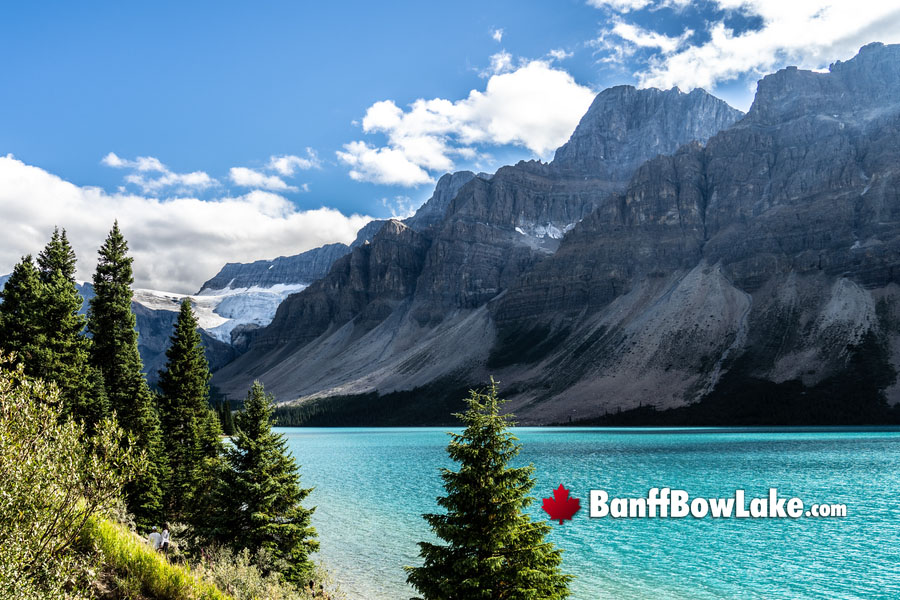
Banff Bow Lake in June

Banff Bow Lake in June

Bow Lake during June is one of the most striking early summer landscapes along the Icefields Parkway. Surrounded by towering peaks, hanging glaciers, and sweeping alpine scenery, the lake begins transitioning from its long winter season into a vivid mountain environment filled with glacier-fed water, fresh snowmelt, and emerging greenery. June offers a dramatic contrast between icy alpine conditions and the arrival of summer in the valleys below.

The lake itself often begins revealing its famous turquoise and blue tones during June as glacial meltwater increases. Earlier in the month, portions of the shoreline may still contain lingering ice or floating fragments from late spring thaw, especially after colder periods. By late June, the lake typically appears more fully open, reflecting the surrounding mountains and sky with remarkable clarity during calm conditions.

The surrounding scenery feels especially grand during this time of year. Crowfoot Glacier and nearby snow-covered peaks remain heavily coated in snow while lower elevations begin turning greener with summer growth. The contrast between bright white mountain slopes and vivid blue water creates one of the most iconic visual experiences in the Rockies.

June mornings at Bow Lake often feel crisp, calm, and incredibly peaceful. Cooler overnight temperatures can leave the air fresh and still, allowing smooth reflections to form across the water surface. As sunlight gradually reaches the valley, the surrounding peaks illuminate slowly, creating dramatic changes in color and shadow throughout the morning.

The atmosphere around Bow Lake remains distinctly alpine even during June. Temperatures are usually much cooler than lower areas around Banff because of the elevation and proximity to glaciers. Strong breezes moving down from surrounding icefields and mountain passes can make the lakeshore feel cold even on sunny afternoons.

The nearby mountains dominate the landscape from every angle. Jagged ridgelines rise sharply above the lake while glaciers and snowfields remain highly visible well into June. Clouds frequently drift through the high peaks, constantly changing the lighting and mood across the valley.

June also brings powerful snowmelt runoff throughout the region. Streams and waterfalls flowing into Bow Lake become more active, adding movement and sound to the surrounding environment. The lake basin feels fresh, energized, and alive with the transition into summer.

Wildlife activity increases throughout June as alpine and subalpine ecosystems awaken after winter. Visitors may spot mountain birds, marmots, deer, or occasionally larger wildlife along the Icefields Parkway leading toward the lake. The surrounding forests and meadows begin filling with fresh vegetation and early wildflowers later in the month.

Despite becoming more popular during June, Bow Lake still retains a peaceful and remote atmosphere compared to some of the busier destinations closer to Banff townsite. The vast mountain scenery and open shoreline create a sense of space and quietness that many visitors find memorable.

Photography conditions during June are exceptional. Snow-covered peaks, turquoise water, dramatic skies, and reflective lake surfaces combine to create constantly changing visual scenes throughout the day. Morning and evening light are particularly beautiful as golden sunlight moves across the glaciers and mountain faces.

Bow Lake during June delivers glacier-fed blue water, towering snowy peaks, cool alpine air, dramatic mountain reflections, and an unforgettable sense of wilderness along the Icefields Parkway. It feels pristine, expansive, and deeply connected to the high mountain environment of the Canadian Rockies. Banff Bow Lake

Banff Wildlife During June

Banff wildlife during June feels abundant, active, and deeply connected to the awakening mountain landscape. The combination of green valleys, snow-capped peaks, flowing rivers, and thriving animal activity creates one of the most dynamic and rewarding wildlife seasons in the Canadian Rockies.
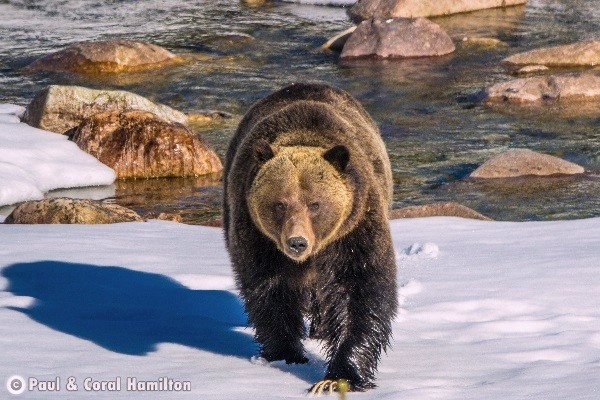
Banff Wildlife During June

Banff Wildlife During June

Wildlife in Banff during June becomes highly active as the national park fully transitions into early summer. Warmer temperatures, longer daylight hours, melting snow, and fresh vegetation draw animals into valleys, roadside meadows, river corridors, and forest edges throughout the region. June is often considered one of the best months for wildlife viewing because many species are feeding heavily after winter while the landscape is lush and alive.

Elk are among the most commonly seen animals during June. They are frequently spotted grazing in open meadows near Banff townsite, golf courses, river valleys, and roadside clearings. Male elk begin developing larger velvet-covered antlers during this time, while females often remain protective of newborn calves hidden in tall grass and forested areas.

Bighorn sheep also become very active throughout June, especially along rocky slopes and roadside cliffs near areas such as Mount Norquay, Lake Minnewanka, and the Icefields Parkway. Rams and ewes are often seen grazing near highways or navigating steep rocky terrain with remarkable agility.

Black bears and grizzly bears are particularly active during June as fresh vegetation emerges throughout the valleys. Bears spend much of the month feeding on grasses, roots, dandelions, and other early summer plants after leaving hibernation. Sightings become more common along the Bow Valley Parkway, Icefields Parkway, and quieter forested corridors throughout Banff National Park.

June is also an excellent month for seeing deer throughout the park. Mule deer and white-tailed deer are commonly observed near forest edges, campgrounds, and quiet roadside areas, especially during early morning and evening hours.

Moose are more elusive but occasionally appear near marshes, lakes, and wetland environments during June. Areas with dense willow growth and shallow water provide ideal feeding habitat as summer vegetation flourishes.

Birdlife becomes especially vibrant during June. Bald eagles, osprey, ravens, gray jays, woodpeckers, and a wide variety of songbirds are highly active throughout the park. Lakes, rivers, and wetlands become busy with waterfowl and nesting activity, while alpine areas fill with the sounds of smaller mountain birds.

Smaller wildlife also becomes much more noticeable during June. Ground squirrels, marmots, chipmunks, and pikas are frequently seen around rocky slopes, hiking areas, and roadside pullouts. Marmots in particular become highly active sunning themselves on warm rocks at higher elevations.

The forests and valleys during June feel especially alive because of the abundance of food and water available after snowmelt. Rivers run high, meadows become intensely green, and wildflowers begin appearing throughout lower elevations, creating ideal conditions for wildlife activity.

June weather can influence animal movement considerably. Cooler mornings and evenings often provide the best opportunities for sightings, while hotter afternoons may push animals deeper into forests or shaded areas. Rainfall and cloud cover can also increase activity during daytime hours.

Wildlife viewing during June requires extra awareness and caution because many animals are raising young during this period. Protective mothers, especially elk and bears, can become more defensive if approached too closely. Visitors are strongly encouraged to observe from safe distances and respect all wildlife regulations throughout the park.

Driving through Banff in June often becomes part of the wildlife experience itself. Early mornings along the Bow Valley Parkway, Lake Minnewanka Loop, and Icefields Parkway frequently produce memorable sightings against stunning mountain backdrops.

Banff wildlife during June feels abundant, active, and deeply connected to the awakening mountain landscape. The combination of green valleys, snow-capped peaks, flowing rivers, and thriving animal activity creates one of the most dynamic and rewarding wildlife seasons in the Canadian Rockies. Canadian Rockies Wildlife Wildlife On Video

Camping in Banff During June

Camping in Banff during June offers fresh mountain air, snowy alpine scenery, active wildlife, cool evenings, and some of the most beautiful seasonal contrasts in the Rockies. It captures the feeling of summer beginning in the mountains while still preserving much of the rugged alpine atmosphere left behind by spring.
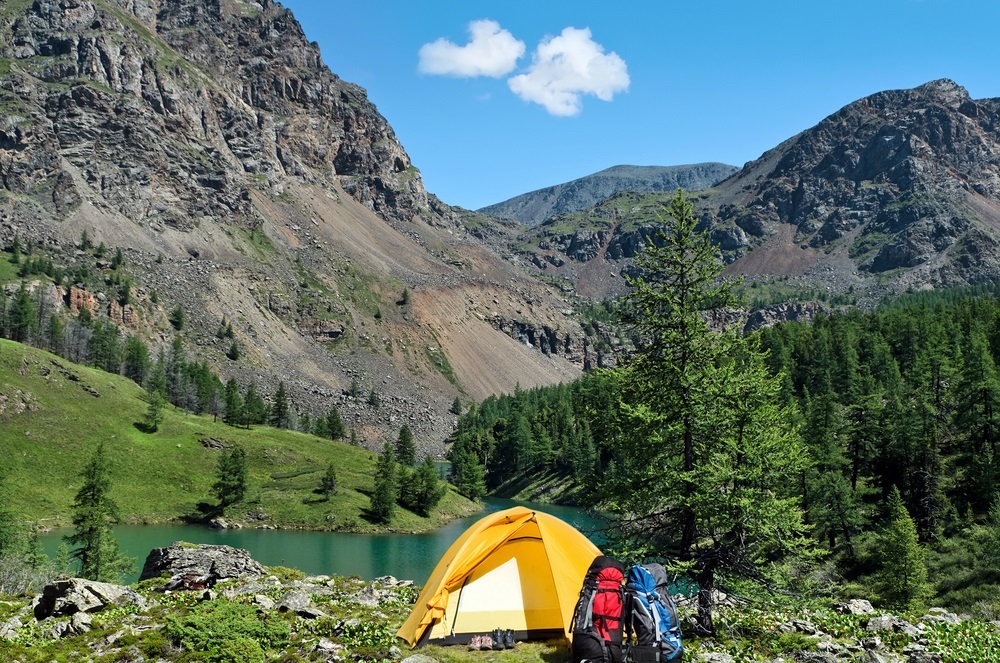
Camping in Banff During June

Camping in Banff During June

Camping in Banff during June marks the beginning of the true summer camping season in the Canadian Rockies. Snow continues retreating from lower elevations, forests turn deep green, rivers and waterfalls surge with snowmelt, and long daylight hours create ideal conditions for outdoor exploration. June camping combines cool mountain freshness with increasingly comfortable weather, making it one of the most scenic times of year to stay in Banff National Park.

Campgrounds throughout Banff become much more active during June as visitors return for hiking, sightseeing, wildlife viewing, and mountain adventures. Lower elevation campgrounds are generally fully accessible by this time, while some higher elevation or more remote areas may still have lingering snow early in the month. The atmosphere throughout the campgrounds feels energetic but often slightly calmer than the peak crowds of July and August.

One of the biggest highlights of June camping is the surrounding scenery. Valleys become lush and green while nearby mountain peaks remain heavily snow-covered. Morning mist rising through evergreen forests, glacier-fed rivers rushing nearby, and cool alpine air create an unmistakable Rocky Mountain atmosphere. Even simple campground mornings can feel incredibly scenic during this time of year.

Temperatures during June are usually comfortable during the day but still cool at night. Warm sunny afternoons may give way to chilly evenings once the sun drops behind the mountains. Overnight temperatures can become surprisingly cold, especially in mountain valleys and near lakes. Campers still benefit from insulated sleeping gear and layered clothing during early summer.

June weather in Banff remains somewhat unpredictable. Bright sunshine can quickly shift into rain showers, cooler winds, or low mountain clouds. Occasional late snowfalls at higher elevations are still possible early in the month, though lower campgrounds generally experience mild conditions. Being prepared for changing mountain weather remains important throughout June.

Wildlife activity around campgrounds increases significantly during this period. Elk, deer, bighorn sheep, foxes, and occasionally bears are commonly active throughout valleys and forest corridors as vegetation flourishes after winter. Campers often experience wildlife sightings near roads, rivers, and meadow areas surrounding campgrounds. Proper food storage and wildlife safety practices become especially important during June.

Campfires become one of the most enjoyable parts of June camping. Cool evenings create ideal conditions for sitting around a fire while surrounded by mountain scenery and crisp alpine air. The long daylight hours allow visitors to enjoy extended evenings outdoors before darkness finally settles over the valleys.

June is also an excellent time for camping access to nearby attractions. Lakes begin fully opening after spring thaw, hiking trails become increasingly accessible, and scenic drives such as the Icefields Parkway showcase powerful waterfalls, snow-covered peaks, and active wildlife. Campgrounds provide a perfect base for exploring both Banff and surrounding mountain regions.

Mosquitoes and insects begin emerging during June, particularly near wetlands, lakes, and forested campgrounds. Activity levels vary depending on rainfall and temperature, but insect repellent becomes useful during evenings and near standing water.

The soundscape of Banff campgrounds changes noticeably during June as well. Flowing rivers become louder from snowmelt runoff, birds remain highly active throughout the forests, and cool breezes move through the trees late into the evening. The environment feels vibrant and alive after the quietness of winter.

By late June, the park begins entering its busy summer tourism season. Campgrounds become more crowded, reservations become increasingly important, and popular areas fill more quickly. Early June can sometimes offer a quieter experience while still delivering excellent scenery and accessibility.

Camping in Banff during June offers fresh mountain air, snowy alpine scenery, active wildlife, cool evenings, and some of the most beautiful seasonal contrasts in the Rockies. It captures the feeling of summer beginning in the mountains while still preserving much of the rugged alpine atmosphere left behind by spring. Banff Camping

Hiking in June

Hiking in Banff during June delivers glacier-fed rivers, snowy mountain backdrops, active wildlife, cool alpine air, blooming landscapes, and an exciting sense of seasonal transition. It is a month where the Rockies feel energetic, fresh, and fully awakening into summer adventure.
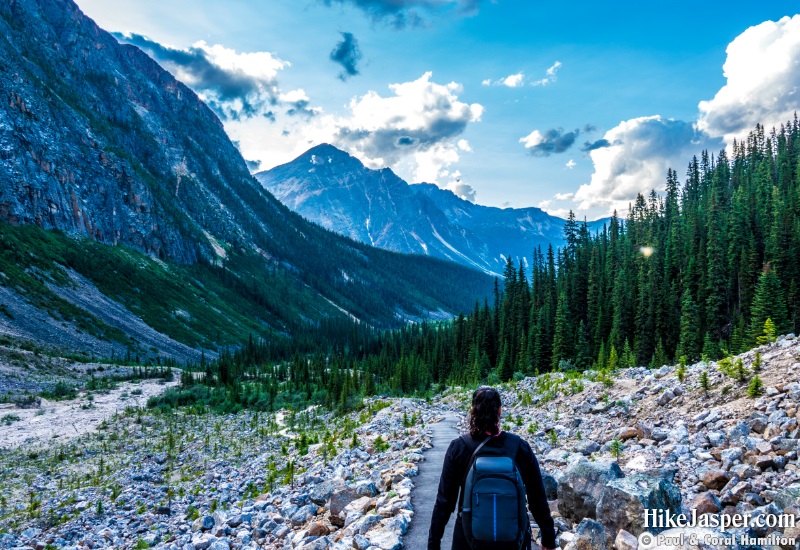
Hiking in June

Hiking in June

Hiking in Banff during June offers a dynamic mix of spring freshness and early summer adventure. Trails throughout the Canadian Rockies begin opening more fully as snow retreats from lower elevations, rivers surge with glacier runoff, forests turn lush green, and wildlife becomes highly active across the valleys and mountain slopes. June is one of the most visually rewarding months for hiking because the landscape still carries dramatic snow-covered peaks while the lower terrain comes alive with summer growth.

Lower elevation hikes are generally in excellent condition during June. Trails around Banff townsite, Johnston Canyon, Tunnel Mountain, Lake Minnewanka, and many valley routes become increasingly accessible with mild temperatures and longer daylight hours. Forests feel cool and fresh after snowmelt, while rivers and waterfalls run especially strong from spring runoff.

The scenery during June hiking is particularly dramatic because of the seasonal contrast. Green valleys, blooming wildflowers, and rushing turquoise rivers sit beneath towering mountains still coated in snow. Many hikers find June especially beautiful because the Rockies appear both rugged and vibrant at the same time.

Higher elevation hiking becomes more variable during June. Alpine trails and mountain passes may still contain significant snowpack early in the month, especially on shaded slopes or north-facing terrain. Some higher routes remain partially inaccessible or require extra caution because of snow, mud, or icy sections. By late June, more alpine terrain gradually opens, though conditions can still change quickly.

June weather in the Rockies remains highly unpredictable. Warm sunshine may quickly shift into rain, strong wind, cold temperatures, or even brief snowfall at elevation. Hikers often experience multiple weather conditions within a single day. Layered clothing, waterproof gear, and proper footwear remain important throughout the month.

One of the highlights of hiking during June is the abundance of flowing water throughout the landscape. Waterfalls, streams, and rivers become exceptionally powerful from snowmelt runoff. Trails near canyon systems, glacier-fed rivers, and alpine lakes feel especially alive with movement and sound during this time of year.

Wildlife encounters become much more common during June as animals actively feed in greener valleys and open meadows. Elk, deer, bighorn sheep, marmots, and occasionally bears are frequently seen along trails and roadside areas. Because wildlife activity increases significantly during this period, hikers are encouraged to remain alert, carry bear spray, and follow all wildlife safety guidelines.

Wildflowers also begin appearing across many lower and mid-elevation trails during June. As snow retreats, meadows and forest edges gradually fill with colorful alpine flowers, adding brightness to the mountain scenery. Bloom timing varies depending on elevation and seasonal weather conditions.

Trail conditions can still be muddy in many areas during June, particularly after rain or ongoing snowmelt. Waterproof hiking boots become very useful, especially on forested trails or routes crossing wet terrain. Some trails may also contain lingering ice patches early in the month.

The long daylight hours of June provide excellent flexibility for hiking. Early sunrises and late sunsets allow visitors to begin hikes early or enjoy extended evenings in the mountains. Morning hikes often provide calmer weather, cooler temperatures, fewer crowds, and better wildlife viewing opportunities.

June also offers excellent hiking photography conditions. Snowy peaks, fresh greenery, dramatic cloud formations, turquoise lakes, and rushing waterfalls create constantly changing mountain scenery throughout the day. Morning mist and evening golden light can make even shorter hikes feel especially memorable.

Hiking in Banff during June delivers glacier-fed rivers, snowy mountain backdrops, active wildlife, cool alpine air, blooming landscapes, and an exciting sense of seasonal transition. It is a month where the Rockies feel energetic, fresh, and fully awakening into summer adventure. Hiking

Icefields Parkway During June

The Icefields Parkway during June offers a powerful Rocky Mountain journey where roaring waterfalls, glaciers, active wildlife, lingering snow, and emerging spring landscapes combine into one of the most scenic drives in North America.
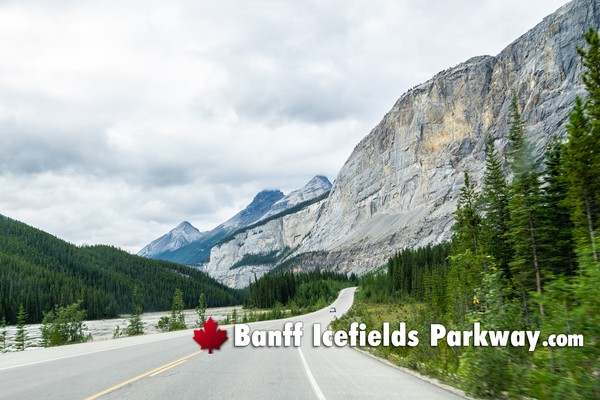
Icefields Parkway During June

Icefields Parkway During June

The Icefields Parkway during June is one of the most spectacular scenic drives in the Canadian Rockies. Stretching between Banff and Jasper, the highway transforms into a dramatic corridor of glacier-fed rivers, snow-covered peaks, turquoise lakes, roaring waterfalls, and awakening alpine wilderness. June brings a remarkable seasonal contrast where summer begins filling the valleys while winter still clings to the high mountains and icefields above.

Driving the Icefields Parkway in June feels immersive from the very beginning. Nearly every section of the highway reveals towering mountain scenery, dense evergreen forests, rushing rivers, and massive snowfields hanging high above the road. The surrounding landscape feels fresh and energized as snowmelt increases water flow throughout the region.

One of the most striking features during June is the abundance of snow remaining on the peaks. While lower elevations become green and accessible, higher mountains still appear deeply alpine and wintry. Glaciers and snow-covered ridgelines dominate the skyline, creating dramatic scenery around nearly every corner.

The lakes along the Parkway become increasingly vibrant during June as glacial meltwater intensifies their famous turquoise coloration. Bow Lake, Peyto Lake, Waterfowl Lakes, and countless smaller waterways begin glowing with brilliant blue tones under early summer sunlight. Calm mornings often produce beautiful reflections across the water surfaces before afternoon winds develop.

Waterfalls throughout the Parkway become especially powerful during June because of rapid snowmelt. Athabasca Falls, Sunwapta Falls, and many unnamed roadside cascades thunder with heavy glacier-fed runoff. The sound of rushing water becomes part of the entire driving experience during this season.

Wildlife viewing is often exceptional during June. Bears, elk, deer, bighorn sheep, mountain goats, marmots, and other wildlife become highly active along the roadside and valley slopes as vegetation flourishes after winter. Early mornings and evenings frequently provide the best opportunities for sightings.

June weather along the Icefields Parkway can change rapidly and dramatically. Drivers may experience sunshine, rain showers, strong winds, low clouds, or even brief snow at higher elevations all within the same day. Conditions near the Columbia Icefield often feel especially cold because of glacier winds and elevation, even when lower sections of the Parkway remain mild.

The Columbia Icefield itself becomes one of the major highlights during June. The Athabasca Glacier remains massive and bright against surrounding snow-covered mountains, while the icy alpine environment feels far removed from summer conditions elsewhere. Glacier views during June are particularly dramatic because snow and ice coverage remains extensive across the region.

Road conditions during June are generally favorable, though mountain weather still requires attention. Snowfall at higher elevations remains possible early in the month, especially overnight or during colder weather systems. Most major viewpoints, pull-offs, and visitor areas become fully accessible as the month progresses.

June also provides excellent lighting conditions for sightseeing and photography. Long daylight hours allow visitors to experience changing mountain colors throughout the day, from crisp morning reflections to warm evening sunlight illuminating glaciers and peaks. Sunrise and sunset lighting across the Parkway can feel especially cinematic during early summer.

Tourism activity steadily increases during June as the Rockies enter the summer travel season. Early June often feels quieter and more peaceful, while late June begins transitioning into the busier peak summer period. Despite growing visitor numbers, the immense scale of the surrounding wilderness still gives the Parkway a remote and untamed feeling.

The atmosphere throughout the Icefields Parkway during June feels adventurous and expansive. Massive valleys, towering peaks, flowing rivers, glaciers, and active wildlife combine to create one of the most awe-inspiring mountain drives in North America.

The Icefields Parkway during June delivers snowy alpine scenery, vibrant glacial lakes, roaring waterfalls, active wildlife, cool mountain air, and unforgettable wilderness views. It captures the Rockies during one of their most visually dramatic and energetic seasonal transitions. Banff Icefields Parkway

Johnston Canyon During June

Johnston Canyon during June delivers roaring waterfalls, cool mist-filled air, lush forest scenery, dramatic canyon walls, and one of the most immersive waterfall hikes in the Canadian Rockies. It feels vibrant, refreshing, and full of early summer energy.
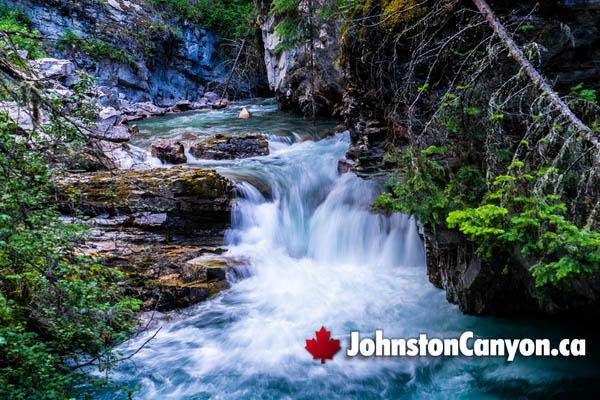
Johnston Canyon During June

Johnston Canyon During June

Johnston Canyon during June is one of the most refreshing and energetic hiking experiences in Banff National Park. As spring runoff intensifies across the Rockies, the canyon fills with roaring glacier-fed water, cool mist, lush greenery, and dramatic limestone walls shaped by thousands of years of erosion. June transforms the canyon into a vibrant mountain environment alive with movement and sound.

The waterfalls become especially powerful during June because of rapid snowmelt from surrounding mountains. Water rushes through the narrow canyon with tremendous force, crashing through tight rock openings and plunging into deep pools below. The sound of the river echoes continuously throughout the canyon, creating an immersive atmosphere from the moment visitors begin the hike.

The catwalks suspended along the canyon walls feel particularly dramatic during this season. Walking above the rushing water allows visitors to experience the power of the canyon up close while surrounded by steep limestone cliffs and dense evergreen forest. Mist rising from the waterfalls often cools the air, especially near the Lower and Upper Falls viewing areas.

June brings lush green scenery throughout the canyon. Moss-covered rocks, fresh forest growth, and vibrant vegetation line the trail as the landscape fully awakens from winter. The combination of greenery, wet rock walls, and turquoise water gives Johnston Canyon a vivid and almost rainforest-like atmosphere in places.

The Lower Falls during June are especially intense. The narrow tunnel leading to the viewing platform allows visitors to stand close to the crashing water as it funnels through the canyon opening. Spray and mist are common near the falls, making the experience feel immersive and powerful.

Continuing toward the Upper Falls reveals even larger views of the canyon and surrounding forest. During June, the Upper Falls thunder down the cliff face with heavy runoff, creating large clouds of mist and dramatic water movement. The surrounding scenery feels raw and alive with early summer energy.

The hike itself is generally very accessible during June. Trails are usually snow-free at lower elevations, though some wet or muddy sections can remain after rainfall or heavy runoff. Comfortable waterproof footwear is often helpful because moisture and spray are common throughout the canyon.

June weather at Johnston Canyon is typically cool and refreshing because of the shaded forest and flowing water. Even on warmer days elsewhere in Banff, the canyon often feels cooler due to the constant moisture and limited direct sunlight in some sections.

Wildlife activity around the canyon increases during June as forests and valleys become active with summer conditions. Birds are highly noticeable throughout the area, while deer, elk, and occasionally bears may be seen in surrounding forest corridors and nearby roadsides.

The long daylight hours of June make Johnston Canyon especially enjoyable for both morning and evening visits. Early mornings often provide quieter conditions with softer lighting filtering through the forest canopy, while afternoons become busier as summer tourism increases.

Photography conditions during June are excellent because of the powerful water flow and rich green scenery. Wet canyon walls reflect light beautifully, waterfalls appear especially dramatic, and the moving water creates constantly changing visual scenes throughout the hike.

By late June, Johnston Canyon becomes one of Banff’s busiest attractions as summer tourism ramps up. Visiting earlier in the day often provides a calmer and more peaceful experience before larger crowds arrive.

Johnston Canyon during June delivers roaring waterfalls, cool mist-filled air, lush forest scenery, dramatic canyon walls, and one of the most immersive waterfall hikes in the Canadian Rockies. It feels vibrant, refreshing, and full of early summer energy. Johnston Canyon

Lake Louise in June

Lake Louise during June delivers glacier-fed turquoise water, snowy mountain scenery, cool alpine air, active waterfalls, awakening hiking trails, and one of the most visually stunning seasonal landscapes in the Canadian Rockies. It captures the Rockies at a moment where winter and summer exist side by side in extraordinary beauty.

Lake Louise in June

Lake Louise in June

Lake Louise during June is one of the most breathtaking seasonal transitions in the Canadian Rockies. The lake begins shifting from its frozen winter state into the vibrant turquoise jewel it is famous for, while the surrounding mountains remain heavily snow-covered. June creates an extraordinary contrast between lingering alpine winter and the arrival of summer in the valleys below.

Early in June, portions of Lake Louise may still contain ice along the shoreline or floating remnants of spring breakup, depending on seasonal temperatures. As the month progresses, the glacier-fed water fully opens and gradually develops its brilliant turquoise color from suspended rock flour carried by melting glaciers. By late June, the lake often glows vividly beneath the surrounding snow-covered peaks.

The scenery around Lake Louise during June feels especially dramatic because the mountains remain deeply alpine. Victoria Glacier towers above the lake with fresh snow still covering nearby ridges and summits. The combination of bright blue water, white mountain slopes, dark evergreen forests, and fresh green valley growth creates one of the most iconic landscapes in Canada.

The atmosphere at the lakeshore feels cool, crisp, and refreshing throughout June. Even on sunny afternoons, cold air descending from glaciers and surrounding peaks keeps temperatures noticeably cooler than lower elevations. Morning visits often feel particularly calm and peaceful, with still water reflecting the surrounding mountains beautifully before afternoon winds develop.

The hiking season around Lake Louise begins expanding significantly during June. Lower elevation trails near the lakeshore and surrounding forest become increasingly accessible, while higher alpine routes may still contain lingering snow and icy sections early in the month. Trails leading toward Lake Agnes and the Plain of Six Glaciers often transition gradually from spring conditions into early summer hiking conditions throughout June.

Waterfalls and streams around the Lake Louise area become especially active during this season because of snowmelt runoff. Glacier-fed water pours down mountain slopes and through forested valleys, adding movement and sound to the landscape. The entire area feels energized by the transition into summer.

Wildlife activity also increases considerably during June. Elk, deer, bears, and smaller mountain animals become more active in surrounding forests and valley corridors as vegetation flourishes after winter. Birds are highly active throughout the region, especially near wetlands and forest edges.

June weather at Lake Louise remains highly changeable. Bright sunshine can quickly give way to clouds, rain showers, cooler winds, or even brief snowfall at higher elevations. Conditions near the lake often feel colder than visitors expect because of the elevation and glacier influence. Layered clothing remains important even during summer visits.

The long daylight hours of June make the scenery especially rewarding throughout the day. Early mornings provide mirror-like reflections and soft lighting, while evenings bring warm golden sunlight across the surrounding peaks and glacier faces. Sunrise and sunset around Lake Louise during June can feel remarkably peaceful and cinematic.

Tourism activity increases steadily during June as summer travel season begins. Early June can still offer relatively calm conditions compared to peak summer months, while late June becomes much busier with visitors arriving from around the world. Despite growing crowds, the scale and beauty of the surrounding mountains continue to create a strong sense of awe and wilderness.

Canoes also begin returning to the lake during June as ice disappears and water conditions improve. Seeing colorful canoes crossing the vivid turquoise water beneath snow-covered mountains becomes one of the classic early summer scenes at Lake Louise.

Lake Louise during June delivers glacier-fed turquoise water, snowy mountain scenery, cool alpine air, active waterfalls, awakening hiking trails, and one of the most visually stunning seasonal landscapes in the Canadian Rockies. It captures the Rockies at a moment where winter and summer exist side by side in extraordinary beauty. Banff Lake Louise

Moraine Lake in June

Moraine Lake during June delivers vivid glacier-fed water, towering snow-covered peaks, cool alpine air, active waterfalls, awakening forests, and one of the most breathtaking mountain settings in the Canadian Rockies. It feels wild, pristine, and deeply connected to the power of the high alpine environment.
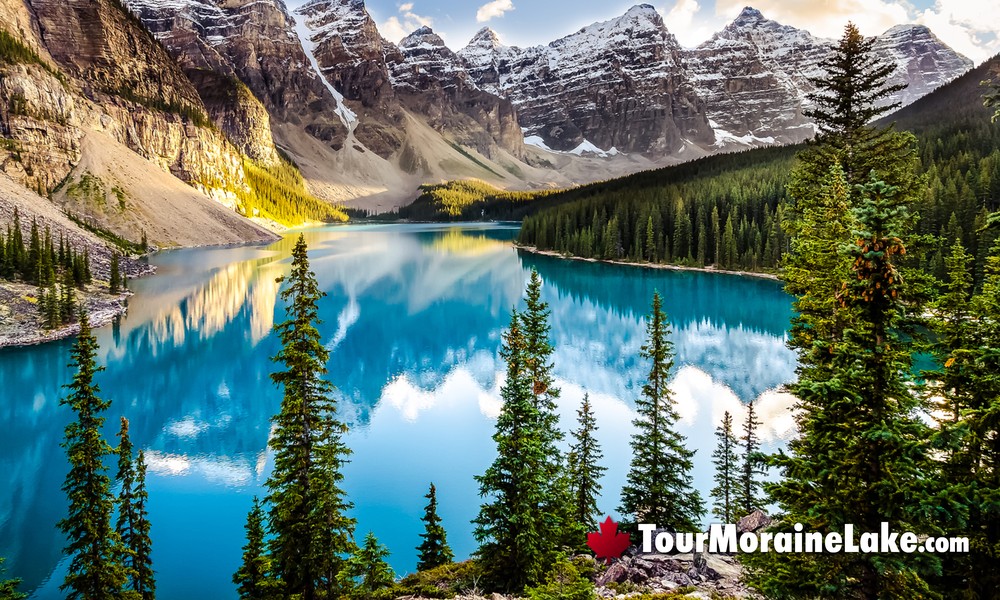
Moraine Lake in June

Moraine Lake in June

Moraine Lake during June is one of the most spectacular and dramatic alpine landscapes in the Canadian Rockies. Surrounded by the towering Valley of the Ten Peaks, the lake begins emerging from its long winter season while snow still dominates the surrounding mountains. June offers a remarkable combination of icy alpine scenery, fresh summer growth, and vivid glacier-fed water that creates an unforgettable mountain experience.

Early in June, Moraine Lake may still be partially frozen depending on the season and recent temperatures. Ice can linger along sections of the shoreline while snow remains piled around parts of the valley. As the month progresses, the lake gradually opens and begins developing the intense turquoise coloration that makes it world famous. By late June, the water often glows brilliantly beneath the surrounding snow-covered peaks.

The setting around Moraine Lake feels more rugged and alpine than many other destinations in Banff National Park. The Valley of the Ten Peaks rises sharply above the lake in nearly every direction, creating a dramatic sense of enclosure and scale. Even during early summer, the entire area still carries a strong high-mountain atmosphere with deep snow visible across ridges, gullies, and glaciers.

June mornings at Moraine Lake are often incredibly peaceful. Cooler overnight temperatures help create calm reflective water conditions, while the first sunlight gradually illuminates the peaks above the valley. The combination of still turquoise water, snowy mountains, and quiet alpine air creates one of the most iconic sunrise environments in the Rockies.

The famous Rockpile viewpoint becomes especially stunning during June. From above the shoreline, visitors can see the lake stretching beneath the towering mountain walls while fresh green forest begins emerging along the valley floor. The contrast between vivid water, dark evergreens, and white snowfields creates extraordinary scenery.

Temperatures around Moraine Lake remain cool throughout June because of the elevation and surrounding glaciers. Even on sunny days, crisp alpine air and mountain breezes keep conditions refreshing. Weather can also change quickly, with sunshine sometimes giving way to clouds, rain, or even brief snow showers at higher elevations.

Hiking trails around Moraine Lake begin gradually reopening during June as snow retreats from lower elevations. Some lakeshore and valley routes become accessible earlier, while higher alpine trails may still contain deep snow or remain difficult well into the month. The surrounding terrain stays very alpine throughout June, especially beyond the immediate shoreline areas.

Waterfalls and streams flowing into Moraine Lake become especially active because of rapid snowmelt. Meltwater pours down surrounding cliffs and through forested slopes, adding movement and sound to the valley environment. The entire basin feels energized by the transition from winter into summer.

Wildlife activity increases throughout the area during June. Marmots, pikas, birds, deer, and occasionally bears become more active in nearby forests and alpine meadows as vegetation flourishes after winter. The valley surrounding Moraine Lake feels alive with fresh mountain growth and animal movement.

June also marks the beginning of Moraine Lake’s busy summer season. Access to the area becomes increasingly popular as road conditions improve and visitors return for sightseeing and photography. Early mornings remain the quietest and most rewarding time to experience the lake before crowds grow larger later in the day.

Photography conditions during June are exceptional. Snow-covered peaks, brilliant turquoise water, reflective lake surfaces, and changing mountain weather create constantly evolving scenery throughout the day. Morning and evening light often produce especially dramatic colors across the valley.

Moraine Lake during June delivers vivid glacier-fed water, towering snow-covered peaks, cool alpine air, active waterfalls, awakening forests, and one of the most breathtaking mountain settings in the Canadian Rockies. It feels wild, pristine, and deeply connected to the power of the high alpine environment. Moraine Lake

June at Peyto Lake

Peyto Lake during June delivers brilliant turquoise water, snowy mountain scenery, cool alpine air, glacier-fed landscapes, and one of the most iconic panoramic views in the Canadian Rockies. It feels pristine, elevated, and breathtakingly vivid during the height of early summer transition.
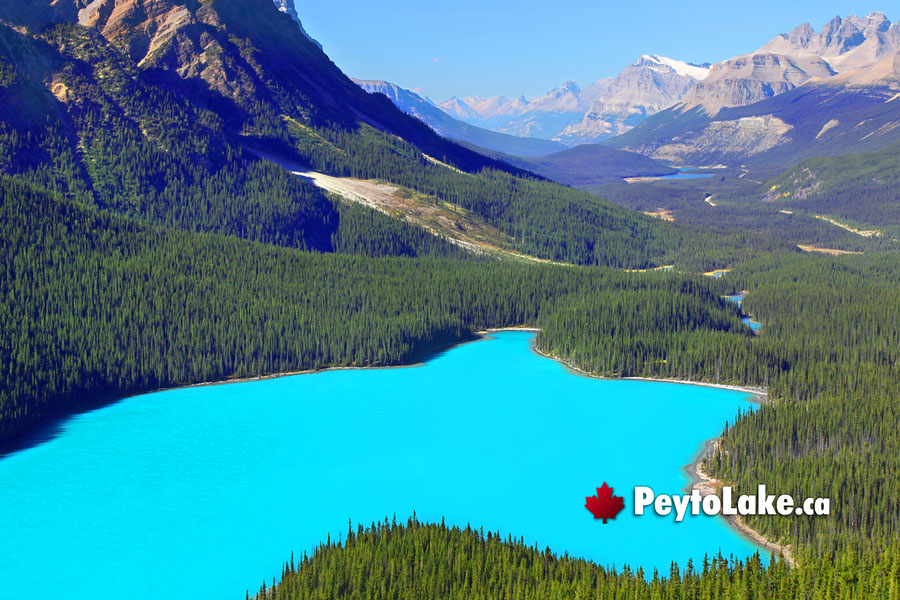
June at Peyto Lake

June at Peyto Lake

Peyto Lake during June is one of the most visually dramatic stops along the Icefields Parkway. Surrounded by towering mountains, glaciers, and dense alpine forest, the lake begins transitioning fully into its famous turquoise summer appearance while the surrounding landscape still holds strong traces of winter. June creates a striking contrast between vivid glacier-fed water and snow-covered peaks that makes the entire viewpoint feel almost unreal.

The lake’s brilliant color becomes increasingly noticeable throughout June as glacial meltwater intensifies. Fine rock flour carried into the lake by melting glaciers reflects sunlight and gives Peyto Lake its famous electric blue and turquoise tones. Earlier in the month, patches of ice may still linger along parts of the shoreline or surrounding high terrain, while by late June the lake often appears fully vibrant beneath the mountain scenery.

The viewpoint overlooking Peyto Lake becomes especially impressive during June because of the surrounding snow-covered mountains. High ridges and distant glaciers remain heavily coated in snow, creating dramatic white backdrops against the intensely colored lake below. The contrast between snow, evergreen forest, and vivid water is one of the defining visual experiences of the Canadian Rockies in early summer.

June mornings at Peyto Lake are often cool, crisp, and exceptionally clear. The mountain air feels fresh and sharp because of the elevation and nearby icefields. Early sunlight slowly illuminating the peaks and lake basin creates beautiful lighting conditions, while calmer morning winds often provide the clearest views across the valley.

The surrounding forests and valleys begin turning lush green during June as snow retreats from lower elevations. Fresh vegetation, rushing streams, and early wildflowers start appearing throughout the region, adding warmth and life to the rugged alpine environment.

Snowmelt runoff throughout June also energizes the entire landscape around Peyto Lake. Waterfalls and mountain streams become more active along nearby slopes, while glacier-fed rivers flowing through the valleys appear especially powerful and bright turquoise during this period.

Weather around Peyto Lake remains highly changeable during June. Visitors may experience sunshine, cool winds, rain showers, low clouds, or even brief snowfall at higher elevations within the same day. Conditions can feel significantly colder than lower elevations because of the proximity to glaciers and exposed mountain terrain.

Wildlife activity increases throughout the surrounding region during June. Mountain goats, bighorn sheep, marmots, deer, and occasionally bears become more active along the Icefields Parkway and nearby alpine slopes as summer conditions spread through the Rockies.

The atmosphere at Peyto Lake during June feels both peaceful and immense. The viewpoint overlooks a vast wilderness of mountains, forests, rivers, and glaciers stretching far into the distance. Even with increasing summer visitors, the scale of the surrounding landscape still creates a strong feeling of remoteness and alpine wilderness.

Photography conditions during June are exceptional. The lake’s intense color, combined with snow-covered peaks and constantly shifting mountain weather, creates dramatic scenery throughout the day. Morning light often provides crisp visibility and vibrant colors, while evening light casts softer golden tones across the surrounding mountains.

Tourism activity gradually increases during June as the Icefields Parkway enters its summer season. Early June often remains quieter and calmer, while late June begins bringing larger numbers of visitors exploring the Parkway and surrounding viewpoints.

Peyto Lake during June delivers brilliant turquoise water, snowy mountain scenery, cool alpine air, glacier-fed landscapes, and one of the most iconic panoramic views in the Canadian Rockies. It feels pristine, elevated, and breathtakingly vivid during the height of early summer transition. Peyto Lake

Spirit Island During June

Spirit Island during June delivers glacier-fed blue water, snowy mountain scenery, cool alpine air, peaceful wilderness surroundings, and one of the most iconic and spiritually calming landscapes in the Canadian Rockies.
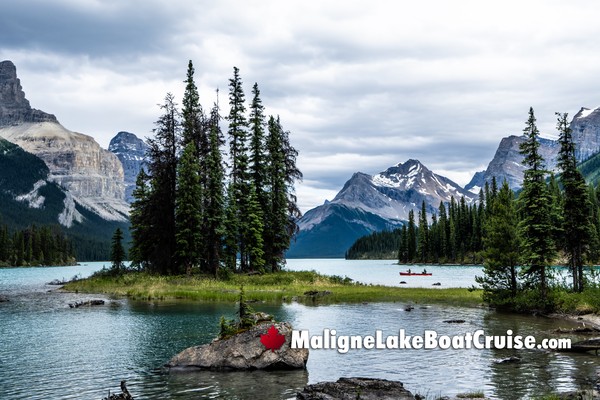
Spirit Island During June

Spirit Island During June

Spirit Island during June feels serene, remote, and profoundly alpine as early summer arrives in Jasper National Park. Surrounded by the glacier-fed waters of Maligne Lake and backed by towering snow-covered peaks, the island becomes one of the most breathtaking wilderness scenes in the Canadian Rockies. June offers a rare balance between lingering mountain winter and the freshness of summer growth beginning to emerge throughout the valley.

Reaching Spirit Island during June is part of the experience itself. The boat journey across Maligne Lake passes through long stretches of deep blue water framed by steep forested slopes and snow-covered mountains. The surrounding scenery still feels rugged and cold at higher elevations, even while lower forests begin turning greener with the arrival of summer.

As the boat approaches Spirit Island, the landscape becomes increasingly dramatic. The small island sits surrounded by calm glacier-fed water, with dense evergreen trees rising from the rocky shoreline and massive peaks towering behind it. Snow remains highly visible across the surrounding ridges and mountaintops during June, adding to the island’s iconic alpine appearance.

The water around Spirit Island often appears especially vivid during June. Glacier melt intensifies the rich blue and turquoise tones of Maligne Lake, while calmer mornings can create beautiful reflections of the island and mountains across the lake surface. The contrast between the brightly colored water and snow-covered peaks feels exceptionally striking in early summer.

The atmosphere around Spirit Island during June is quiet and peaceful despite increasing summer visitors. The scale of the surrounding wilderness creates a sense of isolation and stillness that remains one of the defining qualities of the experience. Cool mountain air, distant waterfalls, and the gentle movement of water across the shoreline contribute to the calm alpine environment.

June temperatures near Spirit Island remain cool because of the elevation and surrounding glaciers. Even on sunny afternoons, breezes moving across Maligne Lake often feel crisp and refreshing. Weather conditions can also shift quickly, with sunshine sometimes replaced by clouds, rain showers, or low mountain mist drifting through the peaks.

The forests surrounding the lake begin fully awakening during June. Fresh greenery spreads through the valley while birds and wildlife become more active throughout the area. Bald eagles, loons, deer, and other wildlife are often seen near the lake or surrounding shoreline habitats during this period.

The long daylight hours of June enhance the experience considerably. Morning visits often provide calmer water and clearer mountain reflections, while evening light casts soft golden tones across the peaks and forests surrounding Spirit Island. The changing light throughout the day constantly reshapes the appearance of the island and surrounding mountains.

Photography during June is particularly rewarding because of the seasonal contrasts. The combination of turquoise water, dark evergreen forest, lingering snowfields, and dramatic mountain backdrops creates one of the most iconic compositions in Canada. Morning light and calm weather often provide especially beautiful conditions for capturing reflections around the island.

Despite becoming busier as summer tourism begins, Spirit Island during June still retains a powerful sense of untouched wilderness. The remote mountain setting, cool alpine atmosphere, and immense surrounding scenery make the location feel timeless and deeply connected to the natural character of Jasper National Park.

Spirit Island during June delivers glacier-fed blue water, snowy mountain scenery, cool alpine air, peaceful wilderness surroundings, and one of the most iconic and spiritually calming landscapes in the Canadian Rockies. Spirit Island

Sunwapta Falls in June

June at Sunwapta Falls delivers a powerful spring Rocky Mountain experience where glacier-fed runoff, snowy peaks, cool canyon air, and roaring waterfalls combine into one of the most energetic natural scenes along the Icefields Parkway.
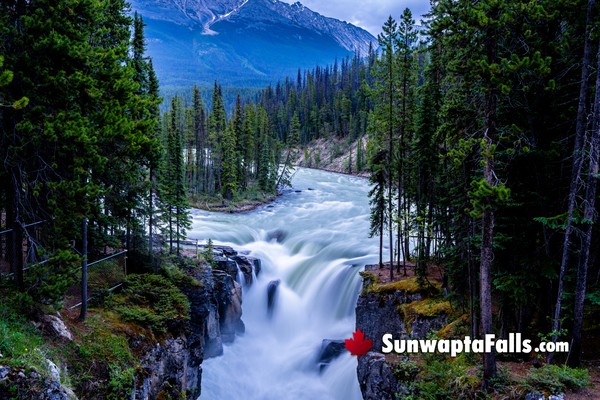
Sunwapta Falls in June

Sunwapta Falls in June

Sunwapta Falls during June is one of the most powerful and visually dynamic waterfall experiences along the Icefields Parkway. Fueled by rapid snowmelt and glacier runoff from the surrounding mountains and icefields, the Sunwapta River surges through the narrow canyon with tremendous force during early summer. The combination of roaring water, rugged cliffs, cool mist, and alpine scenery creates an atmosphere that feels wild and energetic.

June is one of the strongest flow periods of the year for Sunwapta Falls. As glaciers and snowfields melt across Jasper National Park, huge volumes of icy water rush down the river system and plunge over the falls into the canyon below. The waterfall appears thunderous and aggressive during this time, with powerful whitewater crashing through the dark rock gorge.

The setting around Sunwapta Falls feels especially dramatic because of the surrounding mountain landscape. Snow-covered peaks still dominate the skyline in June while lower valleys and forests become lush and green. The contrast between fresh summer vegetation and lingering alpine snow gives the area a vivid and rugged appearance.

The main viewing bridge above the falls becomes one of the highlights during June. Standing above the canyon allows visitors to feel the vibration and hear the immense roar of the water directly beneath them. Mist rises constantly from the gorge, especially during warm afternoons when sunlight catches the spray drifting upward through the canyon.

The color of the water during June is particularly striking. Glacier-fed runoff often gives the river bright turquoise or icy blue tones that contrast sharply against the dark canyon walls and surrounding evergreen forest. The river appears fast, cold, and extremely powerful throughout early summer.

The lower falls area and surrounding trails also become especially scenic during June. Forest pathways lead through cool evergreen surroundings while side channels and smaller cascades flow actively from snowmelt. The entire area feels refreshed and alive after the long winter season.

June weather around Sunwapta Falls remains cool and highly changeable. Even on sunny days, the mist and moving air near the canyon create chilly conditions close to the water. Rain showers, clouds, and sudden temperature changes are common along the Icefields Parkway during this season.

Wildlife activity increases significantly throughout June in the surrounding valleys and forests. Elk, deer, bears, bighorn sheep, and smaller mountain animals become more active near rivers, roadside areas, and fresh feeding grounds as vegetation flourishes after winter.

Photography conditions at Sunwapta Falls during June are exceptional because of the intense water flow and dramatic scenery. The contrast between glacier-fed blue water, wet black rock, green forest, and snow-covered peaks creates constantly changing compositions throughout the day. Rainbows occasionally appear in the mist during bright sunlight, adding even more color to the scene.

Tourism activity increases steadily throughout June as summer travel season begins along the Icefields Parkway. The falls become a popular stop for visitors driving between Jasper and Banff, though the surrounding wilderness still maintains a remote and untamed atmosphere.

One of the defining qualities of Sunwapta Falls during June is the sheer sense of natural force. The volume and speed of the water demonstrate the immense power of glacier-fed river systems during peak snowmelt season. The roar of the falls, cool mist, and constantly moving water create a deeply immersive mountain experience.

Sunwapta Falls during June delivers roaring glacier-fed waterfalls, cool canyon air, snowy alpine scenery, lush forests, active wildlife, and one of the most powerful displays of early summer runoff in the Canadian Rockies. Sunwapta Falls

Banff, Alberta Map

Banff National Park

Contact Banff June.com

Click to Contact Us